
Betta fish are one of the most fascinating and vibrant species of freshwater fish known to aquarists and enthusiasts around the globe. While many people are captivated by their striking colors and personalities in aquaria, the world of Betta fish in wild environments presents an entirely different perspective. In nature, these captivating creatures reveal complexity and adaptability that aquarium-bound Bettas might never fully exhibit. Explore more here.
Natural Habitats and Distribution
Wild Betta fish are endemic to shallow bodies of water, including rice paddies, swampy areas, slow-moving streams, and floodplains. These habitats are characterized by dense vegetation, low oxygen levels, and access to the water’s surface. Betta splendens, the most recognizable species, along with an assortment of other Betta species, flourishes in such environments that support their unique labyrinth organ, an adaptation allowing them to breathe atmospheric air.
Adaptations and Behavior in the Wild
In the wild, Betta fish have evolved numerous adaptations to thrive in often challenging environments. Their labyrinth organ is a significant evolutionary trait, facilitating survival in oxygen-poor waters. Wild Bettas are generally more subdued in color than their captive-bred counterparts, which helps with camouflage against predators and within complex habitats.
Betta fish exhibit territorial behavior, particularly during breeding seasons. Males are known for aggressive displays and combat to secure territory and mates. This combat can involve flaring of gills, opercular spreading, and intense physical interaction. However, it’s a natural aspect of their life cycle that keeps the balance within their populations.
Diet and Feeding Patterns
Betta fish in their natural environment are not afforded the luxury of processed feeds found in home aquariums. Instead, they hunt for insects, larvae, and zooplankton. This natural diet is high in protein, which supports their growth, health, and energy levels. Observations of wild Betta populations indicate that they are opportunistic feeders, adapting their diet based on the seasonal availability of prey, demonstrating their incredible ability to adjust dietary preferences to survive in fluctuating conditions.
Reproduction and Lifecycle
The reproductive strategies of Betta fish are as remarkable as they are unique. During mating rituals, the male Betta builds a bubble nest on the water’s surface. Once a female approaches, a courtship dance ensues, culminating in the female releasing eggs, which the male fertilizes. He then carefully places the eggs into the bubble nest for protection. In mouthbrooding species, such as Betta macrostoma, males carry fertilized eggs in their mouths until they hatch. This process ensures the eggs are safeguarded from being washed away by erratic water currents or falling prey to other aquatic creatures.
Male Betta fish take on the role of caretaker, attending to the nest until the fry hatch. This parental investment ensures that a new generation of Bettas is given the best start possible in a habitat where survival is a daily challenge.
Environmental Threats and Conservation
The natural habitats of Betta fish face numerous threats due to human activity, including pollution, agricultural runoff, and habitat destruction. Urban development and water pollution pose significant risks to their delicate ecosystems. Efforts are being made to study wild Betta populations to understand their needs better and to implement conservation strategies effectively.
Conservationists stress the importance of preserving natural habitats and advocate for stricter environmental regulations to protect these fascinating fish and their habitats. Understanding the ecological role Betta fish play in their native environments is crucial to developing comprehensive conservation measures.
Behavioral Differences Between Wild and Captive Bettas
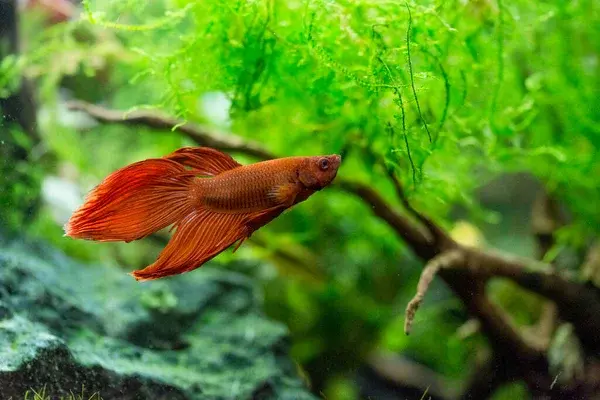
The behavior and appearance of Betta fish in the wild are starkly different from those bred for aquaria. Wild Bettas tend to be less vibrant in color but exhibit more complex behaviors due to their need to adapt continuously to environmental changes and predator presence. This contrasts sharply with their lives in tanks, where environmental stresses are typically minimal, and natural behaviors can be suppressed due to confined spaces.
In their natural habitats, Bettas exhibit a repertoire of survival tactics rarely seen in home aquariums. Their interactions with other species, competitors, and environmental challenges foster a dynamic existence compared to the relatively static lives of captive Bettas.
By studying Betta fish in their natural environments, scientists and fish enthusiasts can gain insights not only into the needs of these creatures but also appreciate the intricate balance required to sustain their populations. Such understanding is vital, as many Betta species remain vulnerable due to loss of habitat and changing environmental conditions. Understanding their lifestyles in the wild offers a richer appreciation of their complexity and underscores the importance of responsible breeding and care in captivity.